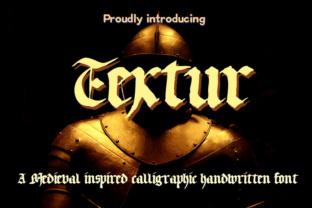
Textur: A Timeless Blackletter Font for Stylish Design
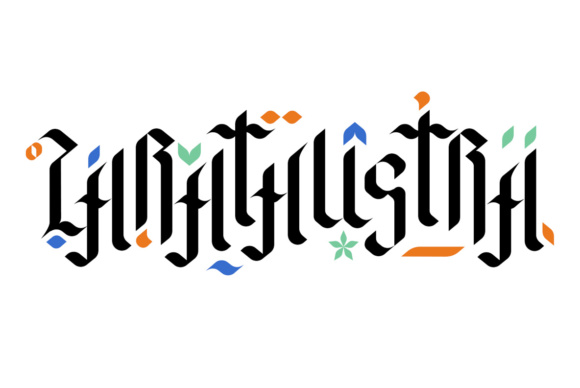
Textur is a striking blackletter font that brings a sense of historical elegance and visual strength to any design project. With its upright appearance and distinct medieval typography style, Textur offers a unique way to elevate the aesthetic of your work. Whether you're designing for a themed event, creating branding materials, or simply looking to add character to your text, Textur can be a powerful tool in your creative arsenal.
This font is particularly well-suited for projects that require a sense of tradition, craftsmanship, or storytelling. Its bold strokes and intricate details make it ideal for headings, logos, and other visual elements where impact matters. By using Textur, you can instantly convey a sense of authenticity and sophistication that modern sans-serif fonts often lack.
Challenges and Opportunities with Textur
Many designers and creatives face the challenge of finding a font that balances uniqueness with readability. While many contemporary fonts prioritize clean lines and simplicity, there's a growing demand for typefaces that offer a more distinctive and expressive look. This is where Textur shines. Its structured yet ornate design allows for a strong visual presence without sacrificing clarity.
However, using Textur effectively requires an understanding of its characteristics. For instance, while it works well as a headline or title, it may not be the best choice for long blocks of body text due to its dense structure. That said, with proper spacing and layout, Textur can still be used in more extended formats if the design calls for it.
How Textur Can Enhance Your Projects
One of the key benefits of Textur is its ability to evoke a specific mood or theme. If you're working on a project with a medieval, fantasy, or artisanal theme, Textur can help reinforce that aesthetic. It adds a layer of depth and richness that can transform a simple design into something truly memorable.
For example, if you're creating a logo for a boutique or a small business with a historical or traditional angle, Textur can provide the perfect visual identity. It also works well for book covers, signage, and promotional materials where a strong typographic statement is needed. The font's structure makes it highly legible at larger sizes, which is essential for effective communication.
Practical Applications of Textur
Textur is versatile enough to be used across a variety of design disciplines. In graphic design, it can be used for posters, banners, and editorial layouts. In web design, it can serve as a heading font to draw attention and create visual hierarchy. For print media, Textur can add a touch of class to business cards, brochures, and packaging designs.
When using Textur, consider the context and audience. For instance, if you're targeting a younger demographic, you might pair Textur with a more modern font to balance the design. On the other hand, if you're aiming for a more authentic medieval feel, you can use Textur as the primary font throughout the design.
Recommendations for Using Textur
To get the most out of Textur, start by experimenting with different sizes and weights. At larger sizes, the font's details come through clearly, making it ideal for headlines and titles. When used at smaller sizes, it may require adjustments to spacing and line height to maintain readability.
Additionally, consider the background and color scheme of your design. Textur tends to stand out against light backgrounds, but it can also work well on darker tones for a more dramatic effect. Pairing it with complementary colors or textures can enhance its visual impact and create a cohesive design.
It's also important to ensure that your design software supports the font. Most modern design tools, including Adobe Creative Suite and online platforms like Canva, allow for easy integration of custom fonts. Always test Textur in different environments to see how it performs in real-world applications.
Different Approaches to Using Textur
Users may approach Textur in different ways depending on their goals and creative vision. Some may use it as a central element in their design, while others may incorporate it subtly as a decorative touch. For instance, a designer focused on branding might use Textur for a company's name or tagline, whereas a content creator might use it for a blog title or section header.
Another consideration is the cultural or thematic relevance of the font. If you're working on a project with a specific historical or fictional setting, Textur can help establish that tone. However, if the project has a more modern or minimalist focus, you may want to use Textur sparingly or combine it with other fonts to avoid overwhelming the design.
Ultimately, the key to successfully using Textur lies in understanding its strengths and limitations. By aligning its use with the needs of your project, you can harness its full potential and create visually compelling work that stands out from the crowd.
Conclusion
Textur is more than just a font—it's a design tool that brings history, character, and style to your work. Whether you're looking to add a touch of medieval flair or create a bold visual identity, Textur offers a versatile and impactful solution. By considering its application, spacing, and pairing options, you can unlock new creative possibilities and elevate your designs with a timeless aesthetic.