Remarkable: A Bold and Elegant Font for Every Project
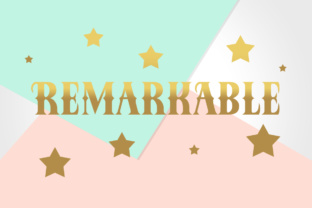
Remarkable is more than just a font—it's a statement. With its striking blackletter design, it blends a tough, edgy aesthetic with a touch of sophistication. This unique combination makes it a standout choice for headlines, logotypes, and a wide range of creative projects. Whether you're designing a brand identity, crafting a marketing campaign, or working on a personal project, Remarkable offers a versatile and powerful visual tool.
But like any font, using Remarkable effectively requires understanding its strengths and limitations. Many people jump into using it without considering how it fits their specific needs, which can lead to less-than-optimal results. Let's explore what makes Remarkable special, common pitfalls to avoid, and how to make the most of this impressive typeface.
What Makes Remarkable Stand Out?
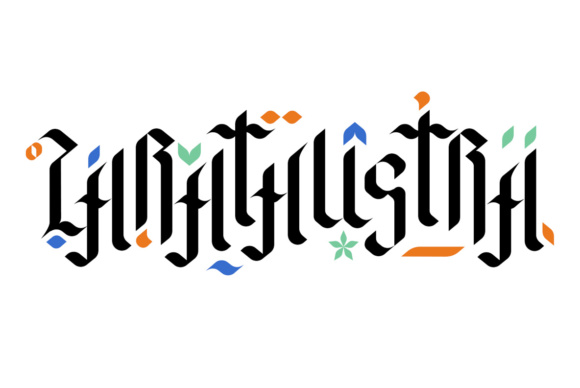
At first glance, Remarkable’s bold strokes and intricate details might seem overwhelming, but that’s exactly what makes it so compelling. The font’s blackletter style gives it a vintage, handcrafted feel, while its clean lines and balanced proportions add a modern twist. This duality allows it to work in both high-impact and refined contexts.
For example, a logo using Remarkable could convey strength and authority in a business setting, while the same font might feel right at home in a design project with a retro or artistic theme. Its adaptability means it can serve as a focal point in a design or complement other elements without overpowering them.
Common Mistakes When Using Remarkable
Despite its appeal, many users make mistakes when choosing and applying Remarkable. One common error is overusing the font. Because of its strong visual presence, it can dominate a design if not used thoughtfully. For instance, using it for long blocks of text in a website or document can reduce readability and strain the reader’s eyes.
Another mistake is not considering the context. While Remarkable works well for headlines and logos, it may not be the best choice for body text or small print. The fine details of the letters can become lost when scaled down, making the text harder to read. Always test the font at different sizes and in various formats before finalizing your design.
Some users also overlook licensing and usage rights. Downloading or purchasing a font without understanding its terms can lead to legal issues, especially if the font is used in commercial projects. Always verify that the version of Remarkable you’re using is properly licensed for your intended purpose.
How to Avoid These Pitfalls
To get the most out of Remarkable, start by defining your design goals. Ask yourself: What message do I want to convey? What tone should the font support? If you're aiming for a bold, attention-grabbing look, Remarkable is an excellent choice. But if clarity and readability are your top priorities, consider pairing it with a simpler, more legible font for supporting text.
Testing is another crucial step. Create mockups of your design using different sizes and layouts. Pay attention to how the font interacts with other elements—colors, images, and spacing all play a role in how effective the font appears. Tools like Adobe Photoshop, Illustrator, or online font testers can help you visualize the impact of Remarkable in real-world scenarios.
Finally, always check the licensing information. Make sure you understand what you’re allowed to do with the font, whether you’re using it for personal, commercial, or web-based projects. Some fonts require attribution, while others have restrictions on redistribution or modification. Being informed upfront can save you from costly mistakes later.
Realistic Examples and Better Approaches
Imagine you're designing a branding package for a new coffee shop. You want a logo that feels authentic and memorable. Using Remarkable for the shop name could give it a distinctive, artisanal feel. However, if you use the same font for the menu or website copy, it might confuse customers and make the content harder to read. A better approach would be to use Remarkable for the logo and a more readable font like Helvetica or Times New Roman for the body text.
Another example: a designer might choose Remarkable for a poster promoting a music festival. The font’s boldness aligns with the energetic vibe of the event. But if the poster includes too much text, the message could get lost. A solution would be to use Remarkable for the headline and subheadings, while keeping the rest of the text in a simpler typeface.
What to Check Before Using Remarkable
Before committing to Remarkable, take the time to evaluate a few key factors. First, ensure that the font is available in the correct format for your project. Some fonts come in multiple versions, such as OTF (OpenType) or TTF (TrueType), and compatibility matters depending on the software you're using.
Second, consider the language and character set. Not all fonts support every language or special characters. If your project involves multiple languages or symbols, double-check that Remarkable includes the necessary glyphs.
Lastly, think about the overall design. Does the font complement your color scheme, layout, and other design elements? A font that looks great in isolation might not work as well in the context of a full design. Always review it within the broader project to ensure it enhances rather than detracts from the visual experience.
Conclusion: Make Informed Choices with Remarkable
Remarkable is a powerful and versatile font that can elevate your designs when used correctly. Its blend of toughness and elegance makes it ideal for a variety of applications, from logos to headlines. However, success with Remarkable depends on thoughtful application, testing, and understanding of its limitations.
By avoiding common mistakes, checking licensing details, and testing the font in real-world scenarios, you can ensure that your designs are both visually appealing and functionally effective. Whether you're a professional designer or a hobbyist, taking the time to make informed decisions will help you get the most out of Remarkable and create work that truly stands out.