Martinail: A Modern Revival of Retro Script
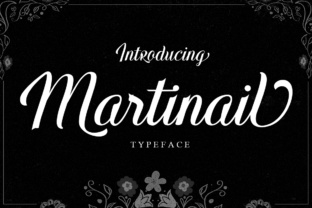
In the ever-evolving world of typography, certain fonts stand out not just for their aesthetic appeal but for their ability to bridge eras. Martinail is one such typeface—a contemporary calligraphic font that reimagines the elegance of retro script with a modern sensibility. Its blend of classic charm and sleek design makes it a versatile choice for a wide range of applications, from branding to editorial work.
At its core, Martinail captures the essence of traditional calligraphy while adapting to the needs of today’s digital landscape. The font features fluid curves, subtle flourishes, and a balanced structure that evokes a sense of refinement. These characteristics make it ideal for projects that require both visual interest and readability, whether in print or on screen.
The Evolution of a Classic
The history of calligraphic fonts is deeply rooted in the art of handwriting. Before the advent of digital typography, scribes and artists meticulously crafted letters using brushes, quills, and pens. These handwritten scripts carried a personal touch, often reflecting the style and personality of the writer. Martinail pays homage to this tradition by incorporating the organic flow and expressive lines of hand-drawn calligraphy into a digital format.
Unlike many retro-style fonts that may feel outdated or overly ornate, Martinail strikes a balance between nostalgia and modernity. Its design avoids excessive embellishments, focusing instead on clean lines and harmonious proportions. This approach ensures that the font remains legible at various sizes and in different contexts, making it suitable for both large-scale displays and small text blocks.
Key Characteristics of Martinail
One of the most distinctive features of Martinail is its dynamic stroke variation. The font mimics the natural pressure changes that occur when writing with a brush or pen, resulting in a visually engaging texture. This characteristic adds depth and movement to the text, making it more than just a simple font—it becomes a form of visual storytelling.
Another notable trait is its adaptability. Martinail comes in multiple weights and styles, allowing users to choose the right version for their specific needs. Whether you're looking for a bold, attention-grabbing headline or a delicate, refined body text, there's a variant of Martinail that can meet your requirements. This flexibility makes it an excellent choice for designers, writers, and developers who need a reliable and expressive typeface.
Practical Applications of Martinail
Designers often turn to Martinail for projects that require a touch of sophistication without sacrificing clarity. For instance, in branding, the font can be used to create logos, taglines, and promotional materials that convey a sense of elegance and professionalism. Its unique character helps brands stand out in a crowded market while maintaining a timeless appeal.
In editorial design, Martinail can enhance the visual hierarchy of a publication. It works well for headings, subheadings, and captions, adding a layer of visual interest that complements other design elements. When paired with modern sans-serif fonts, it creates a striking contrast that draws the reader’s eye and enhances the overall reading experience.
For web developers and UI/UX designers, Martinail offers a way to infuse personality into digital interfaces. It can be used for buttons, icons, and other interactive elements, providing a cohesive look that aligns with the brand’s identity. However, it’s important to use the font judiciously, as overuse can lead to visual clutter and reduced readability.
Considerations for Using Martinail
While Martinail is a powerful tool, it’s essential to consider its limitations. The font’s intricate details may not render perfectly on low-resolution screens or in certain file formats. To ensure optimal performance, it’s recommended to test the font across different platforms and devices before finalizing a project.
Additionally, the font’s stylistic elements may not be suitable for all types of content. For example, in technical documents or data-heavy reports, a more neutral typeface might be preferable to maintain a professional tone. In such cases, Martinail can still be used effectively for titles or section headers, where its visual impact can enhance the overall design without compromising readability.
When working with Martinail, it’s also important to pay attention to spacing and line height. The font’s flowing nature can sometimes cause text to appear cramped or uneven if not properly adjusted. By fine-tuning these settings, designers can achieve a polished and professional look that reflects the font’s intended purpose.
Why Martinail Stands Out
What sets Martinail apart from other calligraphic fonts is its ability to evolve with the times. While it retains the soul of traditional script, it also embraces modern design principles that make it relevant in today’s digital age. This dual identity allows it to serve a broad audience, from creative professionals to everyday users who appreciate the beauty of well-crafted typography.
Moreover, Martinail’s versatility extends beyond aesthetics. It can be used in a variety of languages and scripts, making it a valuable asset for international projects. This adaptability ensures that the font remains useful and effective regardless of the context in which it’s applied.
As the demand for unique and expressive typography continues to grow, Martinail offers a compelling solution for those seeking to add a touch of class and creativity to their work. Its combination of historical inspiration and contemporary design makes it a standout choice for anyone looking to elevate their visual communication.