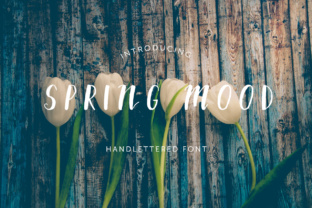
Spring Mood: A Fresh Approach to Typography in Your Workflow
Spring Mood is a versatile and elegant all-caps font that brings a clean, handcrafted aesthetic to any project. As a sans serif display font, it offers a refreshing visual appeal that can elevate the look of your work, whether you're designing a website, creating marketing materials, or working on personal projects. Its simplicity and clarity make it an ideal choice for those looking to add a touch of sophistication without complicating their design process.
Understanding how Spring Mood fits into your workflow is essential for maximizing its potential. From initial planning to final execution, this font can be integrated at various stages to enhance readability, consistency, and overall visual impact. Whether you're starting a new project or refining an existing one, Spring Mood provides a flexible solution that adapts to different needs and environments.
Integrating Spring Mood into Your Process
Before diving into a project, consider how typography can influence the tone and message of your work. Spring Mood's clean lines and balanced structure make it suitable for headings, titles, and other prominent text elements. By selecting this font early in the design phase, you can ensure that it aligns with your overall vision and sets the right tone for the rest of your content.
During the execution phase, Spring Mood can be used to maintain visual consistency across multiple platforms. For instance, if you're developing a brand identity, using this font for logos, banners, and social media graphics helps create a cohesive look that reinforces your brand's personality. This consistency is crucial for building recognition and trust with your audience.
After completing a project, Spring Mood can still play a role in quality control and refinement. Reviewing your work with this font allows you to assess how well it communicates your intended message. If adjustments are needed, switching to a more readable font for body text or adding contrasting elements can help improve the overall user experience.
Using Spring Mood in Different Contexts
Spring Mood is not limited to digital design; it can also be applied in print and other physical formats. When creating brochures, business cards, or signage, this font adds a modern and professional touch that stands out without overwhelming the viewer. Its legibility at different sizes makes it a practical choice for both large and small applications.
In creative processes such as branding, web development, or content creation, Spring Mood can serve as a foundation for other design elements. For example, when working on a website, using this font for navigation menus or call-to-action buttons can guide users through the site while maintaining a clean and organized layout. Pairing it with complementary fonts for body text ensures that your content remains accessible and engaging.
For educators and trainers, Spring Mood can enhance presentations and learning materials by making key points more visible and memorable. In academic settings, using this font for titles, headings, and summaries can help students focus on important information without getting distracted by complex typography. Its simplicity supports clarity, which is especially valuable in educational contexts where understanding is the primary goal.
Collaboration and Team Workflows
When working with a team, Spring Mood can streamline communication and collaboration. By establishing a shared style guide that includes this font, you ensure that everyone on the team uses it consistently across different projects and deliverables. This uniformity reduces confusion and improves efficiency, allowing team members to focus on their tasks without worrying about formatting issues.
Additionally, Spring Mood can be integrated with other tools and platforms to enhance productivity. For example, if you're using design software like Adobe Illustrator or Figma, importing this font into your workspace enables seamless integration with other design elements. This compatibility ensures that your typography works harmoniously with images, colors, and layouts, resulting in a polished final product.
When working with clients or stakeholders, presenting your designs with Spring Mood can convey professionalism and attention to detail. Highlighting how this font contributes to the overall aesthetic and functionality of your work demonstrates your expertise and commitment to quality. It also provides a clear visual reference that helps clients understand the design choices you've made.
Long-Term Use and Maintenance
Over time, maintaining a consistent use of Spring Mood can help reinforce your brand's identity and establish a recognizable style. Regularly reviewing your design assets and ensuring that this font is used appropriately across all platforms prevents inconsistencies that could weaken your brand's impact. This ongoing maintenance is particularly important for businesses that rely on strong visual branding to stand out in competitive markets.
As your workflow evolves, consider how Spring Mood might need to adapt to new trends or technologies. While its timeless design makes it a reliable choice, staying informed about industry developments can help you make informed decisions about when and how to use it. Experimenting with different applications and combinations can keep your designs fresh and relevant.
Ultimately, Spring Mood is more than just a font—it's a tool that supports your creative and professional goals. By incorporating it into your process, you can enhance the clarity, consistency, and visual appeal of your work. Whether you're designing for a client, building a brand, or simply expressing your ideas, this font offers a simple yet powerful way to communicate effectively and beautifully.