Discover the Charm of Long Island in Typography
When it comes to typography, finding the perfect font can be a game-changer. One such font that has been gaining attention is Long Island, a versatile typeface that blends the elegance of script with the structure of serif fonts. This unique combination makes it ideal for a wide range of design projects, from branding to digital content. In this article, we’ll explore what makes Long Island stand out and how it can enhance your creative work.
What Is Long Island?
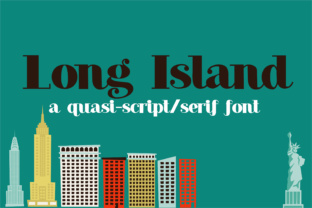
Long Island is a modern font that offers a harmonious blend of casual and formal elements. It features script tails that give it a fluid, handwritten feel, while the serifs add a touch of sophistication. This duality makes it suitable for both professional and personal use, allowing designers to convey a sense of warmth and refinement without sacrificing clarity.
The font’s name may suggest a geographic location, but it’s not related to the famous island off the coast of New York. Instead, it’s a clever choice that evokes a sense of openness and creativity, much like the real Long Island itself.
Key Features of Long Island
- Script and Serif Fusion: The font combines the flowing lines of a script with the structured appearance of a serif, creating a visually appealing contrast.
- Readability: Despite its decorative elements, Long Island remains highly readable, even at smaller sizes.
- Versatility: It works well in both print and digital formats, making it a go-to choice for various design needs.
- Emotional Appeal: The font conveys a friendly and approachable vibe, which can be beneficial for branding and marketing materials.
Where Can You Use Long Island?
Long Island is incredibly adaptable, making it a popular choice across different industries. Here are some common applications:
- Branding and Logos: Its unique style adds personality to brand identities, helping businesses stand out in a competitive market.
- Web Design: Whether you're designing a website or an email newsletter, Long Island can add a touch of elegance and modernity.
- Print Materials: From business cards to brochures, this font enhances the visual appeal of printed content.
- Marketing Campaigns: It’s perfect for headlines and taglines that need to grab attention while maintaining a professional look.
Its ability to balance form and function makes it a favorite among designers who want to create something that’s both beautiful and effective.
Who Benefits from Using Long Island?
Long Island is particularly useful for professionals and creators who want to elevate their design work. Here are a few groups that can benefit from using this font:
- Business Owners: Those looking to build a strong brand identity can use Long Island to create a memorable visual presence.
- Graphic Designers: This font offers a fresh alternative to more traditional typefaces, allowing designers to experiment with new styles.
- Content Creators: Bloggers, YouTubers, and social media managers can use Long Island to make their content more engaging and visually appealing.
- Event Planners: For invitations, banners, and promotional materials, Long Island adds a touch of class and creativity.
Whether you’re launching a new project or updating an existing one, Long Island can help you achieve a polished and professional look.
Strengths and Considerations
Like any font, Long Island has its strengths and limitations. Understanding these can help you decide if it’s the right choice for your project.
Strengths:
- Visual Appeal: The font’s unique design makes it stand out, adding a distinctive flair to any project.
- Flexibility: It works well in a variety of contexts, from formal documents to casual designs.
- Emotional Impact: The font can evoke a sense of warmth and approachability, which is valuable in many design scenarios.
Considerations:
- Readability at Small Sizes: While Long Island is generally readable, it may not be the best choice for body text in very small sizes.
- Contextual Appropriateness: Its informal yet elegant style may not fit all design themes, especially those requiring a more rigid or traditional look.
- Font Licensing: Always check the licensing terms before using Long Island in commercial projects to ensure compliance.
By weighing these factors, you can determine whether Long Island aligns with your design goals and requirements.
Real-World Applications of Long Island
Let’s take a look at some practical examples of how Long Island can be used in real-world scenarios:
- Wedding Invitations: The font’s elegant script style makes it perfect for wedding invitations, adding a touch of romance and sophistication.
- Restaurant Menus: A restaurant can use Long Island to create a menu that feels both stylish and inviting.
- Personal Blogs: Bloggers can use the font for headings and titles to make their content more visually engaging.
- Portfolio Websites: Designers and artists can incorporate Long Island into their portfolio sites to showcase their work in a unique and memorable way.
These examples demonstrate the font’s versatility and how it can be tailored to meet specific design needs.
Evaluating Suitability for Your Projects
Before choosing Long Island, consider the following factors to ensure it fits your project:
- Project Type: Determine whether the font’s style complements the overall theme and purpose of your design.
- Target Audience: Think about who will be viewing your work and whether Long Island resonates with them.
- Design Balance: Ensure that the font doesn’t overpower other elements in your layout and maintains a cohesive look.
- Testing: Experiment with different sizes and placements to see how Long Island performs in your specific context.
By taking these steps, you can make an informed decision about whether Long Island is the right font for your needs.
Conclusion
Long Island is more than just a font—it’s a powerful tool that can elevate your design work with its unique blend of script and serif elements. Whether you're a designer, business owner, or content creator, this font offers a fresh and versatile option for a wide range of projects. By understanding its features, applications, and limitations, you can make the most of Long Island and create designs that are both beautiful and effective.