Playmate: A Whimsical Touch for Modern Design
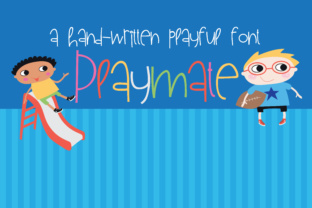
In a world where digital aesthetics often lean toward sleek, minimalist designs, there's a growing appreciation for fonts that bring a sense of playfulness and personality. Playmate is one such font—a handwritten typeface that exudes a whimsical, youthful energy. With its thin lines and clean yet mischievous appeal, it offers a refreshing alternative to the rigid, impersonal typography that dominates many digital spaces.
For designers, marketers, and creators looking to infuse their work with a touch of charm, Playmate presents an opportunity to stand out. It’s not just a font; it’s a design choice that can evoke nostalgia, spark creativity, and connect with audiences on a more emotional level. Whether used in branding, social media, or personal projects, Playmate has the potential to transform how visual communication is perceived.
The Rise of Handwritten Typography
Handwritten fonts have seen a surge in popularity over the past few years. This trend reflects a broader shift in design philosophy—one that values authenticity, imperfection, and human connection. In an age where automation and AI are reshaping industries, the handmade aesthetic serves as a reminder of the human element behind every creation.
Playmate fits perfectly into this movement. Its casual, unstructured style brings a sense of warmth and approachability that digital fonts often lack. This makes it especially appealing for brands targeting younger demographics or those seeking to convey a more relaxed, friendly tone. From Instagram posts to packaging labels, the font adds a unique visual identity that resonates with modern audiences.
Moreover, the rise of remote work and digital collaboration has made visual communication more important than ever. As people interact more through screens, the need for expressive and engaging content has increased. Playmate helps bridge that gap by offering a way to communicate with more personality and flair.
Why Playmate Stands Out
What sets Playmate apart from other handwritten fonts is its balance between simplicity and character. Unlike some fonts that feel overly chaotic or inconsistent, Playmate maintains a clean structure while still retaining the organic feel of a hand-drawn script. This makes it versatile enough for a wide range of applications, from logos and headings to captions and signage.
The font’s thin lines give it a lightness that can make text feel less overwhelming, which is particularly useful in design projects where readability is key. At the same time, its playful undertones add a sense of fun and spontaneity. This duality allows it to be both professional and personable, depending on how it’s used.
For educators and content creators, Playmate can be a valuable tool in making information more engaging. In educational materials, it can help break up dense blocks of text and make learning feel less formal. For bloggers and influencers, it can add a distinct visual signature that helps build brand recognition.
Practical Applications in Design and Branding
One of the most practical uses of Playmate is in branding. Companies looking to establish a youthful, creative image can benefit from incorporating this font into their visual identity. It works well for startups, creative agencies, and businesses in industries like fashion, food, and entertainment—sectors where a fresh, approachable look is essential.
When used in logos, Playmate can convey a sense of innovation and originality. It’s ideal for brands that want to appear more accessible and relatable. However, it’s important to use it strategically. Overusing the font or pairing it with too many other decorative elements can dilute its impact. A subtle application often yields the best results.
In social media and online marketing, Playmate can enhance visual storytelling. It’s perfect for creating eye-catching headlines, call-to-action buttons, and promotional banners. Its informal nature makes it suitable for platforms like Instagram, Pinterest, and TikTok, where users are drawn to content that feels authentic and engaging.
Evolution of Font Preferences
Font preferences have evolved significantly over the years. What was once considered unconventional is now mainstream. The shift toward more expressive and individualized typography reflects changing consumer expectations. People no longer want generic, one-size-fits-all designs—they want something that speaks to them personally.
This change is driven by several factors. First, the proliferation of digital content has made it harder for brands to stand out. Second, the increasing importance of user experience has led to a greater focus on visual appeal. Third, the rise of personal expression in online spaces has encouraged more experimentation with design elements.
Playmate aligns with these shifts by offering a font that is both distinctive and functional. It caters to the desire for individuality without sacrificing clarity or usability. As more designers and businesses seek to differentiate themselves, fonts like Playmate are becoming increasingly valuable assets in the creative toolkit.
Recommendations for Using Playmate
If you're considering using Playmate in your projects, here are a few tips to get the most out of it:
- Use it for headings and titles: Playmate shines when used in larger text sizes, where its details can be appreciated. It’s ideal for headlines, subheadings, and section titles.
- Pair it with complementary fonts: To maintain balance, pair Playmate with a more structured font for body text. This contrast can enhance readability while preserving the font’s unique character.
- Experiment with spacing and color: The thin lines of Playmate mean that it can be easily overwhelmed by dense text. Adjusting line spacing and using bold colors can help it stand out effectively.
- Consider the context: While Playmate is versatile, it may not be suitable for all types of projects. Use it in contexts where a playful or nostalgic tone is appropriate, such as children’s products, creative campaigns, or personal branding.
Ultimately, the success of any font depends on how well it aligns with the overall design and message. Playmate is a powerful tool, but like any design element, it should be used thoughtfully and purposefully.
Looking Ahead: The Future of Handwritten Fonts
As design trends continue to evolve, the role of handwritten fonts like Playmate is likely to expand. With the growing emphasis on personalization and emotional connection, there will be more opportunities for fonts that reflect individuality and creativity.
Additionally, advancements in digital tools and font technology may lead to even more sophisticated and customizable handwritten typefaces. This could open new possibilities for designers who want to blend the charm of handwriting with the precision of digital typography.
For now, Playmate remains a compelling choice for those looking to add a touch of whimsy and personality to their work. Its ability to blend simplicity with character makes it a valuable asset in both personal and professional design projects.
Whether you’re a designer, marketer, educator, or simply someone who appreciates good typography, Playmate offers a fresh and engaging way to express ideas visually. In a world that often prioritizes efficiency and uniformity, it reminds us that sometimes, a little bit of playfulness can go a long way.