The Grateful: A Handwritten Font That Brings Personality to Modern Design
In an era where digital design dominates, the human touch remains a powerful differentiator. The Grateful, a classic handwritten font, has emerged as a go-to choice for designers seeking to infuse authenticity and warmth into their work. With four distinct versions, this monoline, neat font offers a signature feel that blends creativity with professionalism. Whether you're crafting a logo, designing a brand, or creating display elements, The Grateful provides a unique aesthetic that stands out in a sea of generic typefaces.
As the design industry evolves, so do the tools and assets that shape it. The Grateful is not just another font—it's a reflection of current trends that prioritize personalization, emotional connection, and visual storytelling. In a world increasingly driven by automation and digital interfaces, the handwritten style of The Grateful serves as a reminder of the human element in design. This makes it particularly relevant for professionals in marketing, branding, and creative industries who are looking to make a lasting impression.
What Is The Grateful?
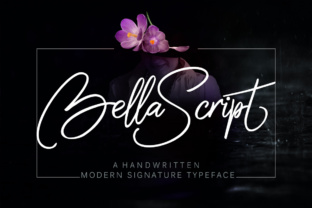
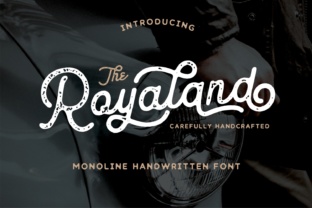
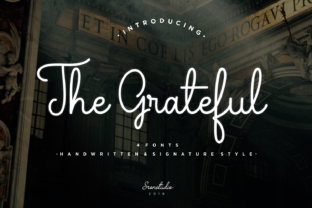
The Grateful is a handwritten font that captures the essence of a genuine signature. Its clean lines and consistent stroke width give it a monoline appearance, while the subtle variations in letterforms add a sense of movement and character. This balance between structure and spontaneity makes it ideal for a wide range of applications—from logos and packaging to social media graphics and editorial layouts.
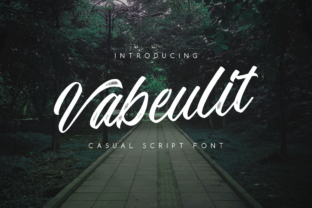
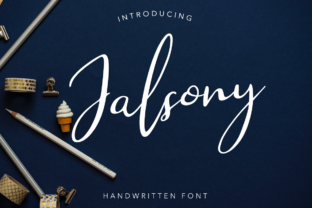
Available in four versions, The Grateful allows users to choose the tone that best suits their project. One version may lean toward a more casual, playful vibe, while another could offer a more refined and elegant look. This versatility ensures that the font can adapt to different creative contexts without losing its core identity. Whether you're designing for a startup, a lifestyle brand, or a high-end product, The Grateful provides a cohesive and expressive typographic solution.
Why The Grateful Fits Into Modern Design Trends
The rise of The Grateful aligns with broader shifts in the design and marketing landscape. Today’s consumers are drawn to brands that feel authentic and relatable. In a market saturated with polished, corporate aesthetics, a handwritten font like The Grateful can help a brand stand out by conveying approachability and sincerity. This is especially true for businesses targeting younger demographics who value individuality and self-expression.
Moreover, the trend toward minimalism in design has created a demand for fonts that are both simple and expressive. The Grateful meets this need by offering a clean, readable form that still carries a personal touch. It’s a perfect fit for projects that aim to communicate a message with clarity and warmth, whether through a website, a print ad, or a social media campaign.
From a technical standpoint, The Grateful also benefits from the growing accessibility of digital design tools. As more creators embrace online platforms and cloud-based software, the ability to quickly incorporate a custom font like The Grateful into their workflow is a significant advantage. This ease of use, combined with its aesthetic appeal, has contributed to its growing popularity among designers and entrepreneurs alike.
How The Grateful Stands Out in a Competitive Market
In a crowded design market, originality is key. The Grateful distinguishes itself by offering a unique blend of simplicity and character. Unlike many other handwritten fonts that can be difficult to read or inconsistent in style, The Grateful maintains a level of legibility that makes it suitable for both small text and large headlines. This practicality ensures that it can be used across various design formats without compromising on quality or readability.
Another factor contributing to The Grateful’s appeal is its adaptability. It works well in both digital and print environments, making it a valuable asset for designers who need a versatile typeface. For example, a designer working on a brand identity project might use one version of The Grateful for the logo and another for supporting materials like business cards or brochures. This consistency helps reinforce brand recognition while maintaining visual interest.
Practical Applications of The Grateful
The Grateful is not just a stylistic choice—it’s a functional tool that can enhance a variety of design projects. For instance, in the realm of marketing, it can be used to create eye-catching headlines for advertisements or promotional materials. Its handwritten feel adds a personal touch that resonates with audiences, making it ideal for campaigns that aim to build emotional connections with customers.
For entrepreneurs and small business owners, The Grateful offers a way to elevate their branding without the need for expensive custom typography. By using a font that feels authentic and professional, they can create a strong visual identity that reflects their values and personality. This is particularly beneficial for startups and independent creators who want to establish a memorable presence in their respective markets.
Additionally, The Grateful can be a valuable resource for content creators and influencers. When used in social media posts, newsletters, or blog headers, it adds a distinctive visual element that sets their content apart. This is especially important in an environment where attention spans are short and competition for engagement is fierce.
The Future of Handwritten Typography in Design
As design continues to evolve, the role of handwritten typography is likely to grow. With advancements in AI and machine learning, we may see even more sophisticated tools that allow for greater customization and integration of handwritten styles. However, fonts like The Grateful will remain essential because they provide a level of authenticity that cannot be replicated by algorithmic design alone.
The increasing emphasis on user experience (UX) and emotional design also highlights the importance of fonts that evoke feeling and personality. The Grateful, with its warm and inviting aesthetic, is well-positioned to meet these changing expectations. As more brands seek to connect with their audiences on a deeper level, the demand for fonts that reflect this intention will only continue to rise.
Ultimately, The Grateful represents more than just a typeface—it’s a reflection of current design sensibilities and a response to the evolving needs of creatives and businesses. By combining the elegance of a monoline font with the charm of a handwritten style, it offers a powerful tool for anyone looking to add a touch of personality to their work.