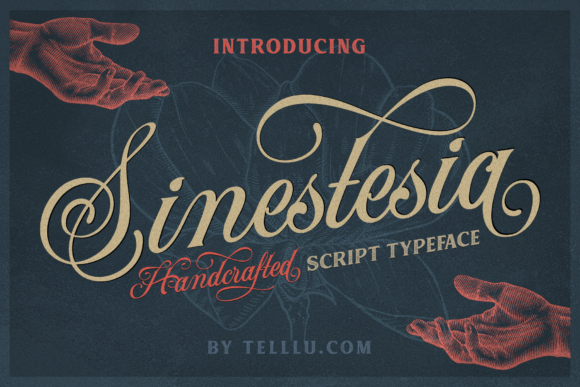
Sinestesia: A Nostalgic Script with Timeless Appeal
For those seeking a unique and expressive typeface, Sinestesia stands out as a remarkable choice. This handcrafted script font, designed by the talented lettering artist Haris MM, brings a sense of nostalgia and artistry to any project. With its brush-lettering roots inspired by old window signage, Sinestesia offers a personal and distinctive look that can elevate both digital and print designs.
What Makes Sinestesia Unique?
Sinestesia is more than just a font—it’s a style. Its design captures the essence of traditional brush lettering, giving it a natural, flowing feel that feels almost hand-drawn. This makes it ideal for projects that require a touch of personality and warmth. The font’s curves and strokes are carefully crafted to mimic the fluidity of real brushwork, making it stand out in a sea of generic typefaces.
One of the key features of Sinestesia is its versatility. Whether you're designing a logo, creating social media graphics, or working on a branding project, this font can adapt to different contexts. Its character set includes a wide range of letters, numbers, and symbols, ensuring that it can be used in various applications without limitations.
Exploring the Features of Sinestesia
When you download Sinestesia, you’re not just getting a single font file. The package often includes bonus files such as alternate characters, ligatures, and stylistic sets. These additional elements allow for greater customization and help users achieve a more polished and professional look. For designers who want to experiment with different styles, these extras provide valuable options.
The font also supports multiple languages, making it accessible to a broader audience. Whether you're working in English, Spanish, French, or another language, Sinestesia maintains its visual appeal and readability. This feature is especially useful for international brands or creators looking to reach a global audience.
Where Can You Use Sinestesia?
Sinestesia is well-suited for a variety of creative applications. It works exceptionally well in graphic design, particularly for logos, posters, and packaging. Its nostalgic charm makes it a great fit for vintage-themed projects, while its modern elegance ensures it doesn’t feel outdated. Many designers use Sinestesia to add a personal touch to their work, whether it's for a wedding invitation, a book cover, or a brand identity system.
In the digital space, Sinestesia can enhance website headers, banners, and social media posts. Its expressive nature helps draw attention and create a memorable visual impact. For content creators and influencers, using Sinestesia in captions or thumbnails can make their work stand out and reflect their unique style.
Who Benefits from Using Sinestesia?
Sinestesia appeals to a wide range of users, from independent artists to large businesses. For small business owners, it can help create a strong brand identity that feels authentic and engaging. For professionals in the design industry, it offers a tool to differentiate their work and express creativity in a meaningful way.
Students and educators may also find value in using Sinestesia. It can be used in presentations, educational materials, or classroom projects to add visual interest and creativity. Its ease of use and availability make it a practical choice for those exploring typography and design principles.
Strengths and Considerations
One of the main strengths of Sinestesia is its ability to convey emotion and character through typography. Unlike more rigid or mechanical fonts, Sinestesia adds a human element to text, making it ideal for projects that aim to connect with an audience on a deeper level. Its brush-like strokes give it a dynamic quality that can bring a sense of movement and energy to any design.
However, it’s important to consider the context in which Sinestesia is used. While it excels in creative and artistic projects, it may not be the best choice for body text in long-form documents. Its decorative nature can sometimes reduce readability, especially at smaller sizes. Therefore, it’s recommended to use it for headings, titles, or short phrases rather than for extended reading.
Real-World Applications of Sinestesia
Let’s take a look at some real-world examples where Sinestesia has been successfully applied. A local café might use it for their logo to evoke a sense of warmth and tradition. A fashion brand could incorporate it into their packaging to create a stylish and eye-catching appearance. Even in the tech industry, some startups use Sinestesia in their branding to balance innovation with a touch of authenticity.
Another common use is in the realm of personal branding. Influencers, bloggers, and artists often choose Sinestesia to design their profile pictures, social media banners, or website headers. This helps them establish a cohesive and recognizable visual identity that aligns with their personal style.
Evaluating the Suitability of Sinestesia
Before deciding to use Sinestesia, it’s helpful to evaluate your specific needs and goals. Ask yourself: What message do I want to convey? What is the tone of my project? How will the font interact with other design elements? These questions can guide you in determining whether Sinestesia is the right choice for your work.
If you’re unsure about how it will look in your design, consider testing it with sample text. Many font platforms offer free trials or previews, allowing you to see how Sinestesia performs in different contexts. This step can save time and ensure that the final result meets your expectations.
Conclusion: Embrace the Artistry of Sinestesia
Sinestesia is more than just a font—it’s a tool for expression and creativity. With its nostalgic appeal, unique design, and versatile applications, it offers something special for anyone looking to add character to their work. Whether you're a designer, a business owner, or a creative enthusiast, Sinestesia provides a way to bring your vision to life with style and authenticity.