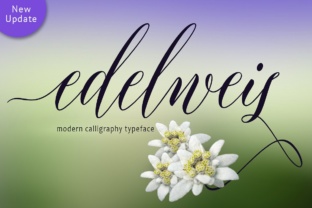
Edelweis: A Flowy Calligraphy Font for Elegant Design
If you're looking to elevate the visual appeal of your projects, Edelweis is a calligraphy font that deserves a closer look. With its graceful, flowing script, this font brings a sense of sophistication and femininity that can transform everything from logos to social media posts. Whether you're a designer, marketer, or small business owner, understanding how to use Edelweis effectively can make a significant difference in your creative output.
Edelweis is more than just a pretty font—it's a versatile tool that works well across a range of applications. Its soft curves and elegant lines make it ideal for wedding invitations, branding materials, and even digital content where a touch of refinement is needed. However, like any design element, using Edelweis without proper consideration can lead to suboptimal results.
Common Mistakes When Using Edelweis
One of the most common mistakes people make when working with Edelweis is assuming that it will automatically enhance every project. While the font has a beautiful aesthetic, it may not be suitable for all types of content. For instance, using it in large blocks of text can reduce readability, especially in digital formats where clarity is crucial.
Another oversight is not considering the context in which the font will be used. Edelweis may work well for a romantic brand or a boutique website, but it might clash with a more corporate or tech-focused design. Understanding the tone and audience of your project is essential before choosing this font.
Some users also fail to test the font in different sizes and formats. What looks great at 72pt on a poster may become too delicate or hard to read at 12pt in a document. Always preview the font in the actual size and medium it will be used in to ensure it maintains its elegance without sacrificing legibility.
How to Avoid Common Pitfalls
To get the most out of Edelweis, start by identifying the purpose of your project. If you're designing a logo or a headline, the font can add a unique flair. But if you're writing a lengthy article or a report, consider pairing it with a more traditional typeface for better readability.
Another practical tip is to use Edelweis selectively. Rather than applying it throughout an entire document, use it for key elements like headings, titles, or captions. This approach allows the font to shine without overwhelming the reader.
When working with digital platforms, make sure the font is properly embedded or licensed. Some websites or applications may not support custom fonts, so it's important to check compatibility before finalizing your design. Additionally, always back up your files and keep a record of where you obtained the font to avoid legal issues.
What to Check Before Using Edelweis
Before downloading or purchasing Edelweis, verify the licensing terms. Some fonts are free for personal use only, while others require a commercial license. Misusing a font without proper permissions can lead to legal complications, especially if you're using it for a business or public-facing project.
Also, take time to explore different versions of the font. Some variations may include additional characters, ligatures, or alternate glyphs that can enhance your design. Checking these options can help you find the best fit for your needs.
Finally, consider the platform or software you'll be using. Not all design tools support every font, so it's wise to test Edelweis in your preferred application before committing to it. This step can save you time and prevent last-minute adjustments.
Realistic Examples and Better Approaches
Imagine you're creating a wedding invitation. Using Edelweis for the couple's names and the event details can add a refined, romantic feel. However, if you're writing the full ceremony schedule in the same font, it may become difficult to read. In this case, pair Edelweis with a simpler font for the body text to maintain clarity.
Another example is a social media post for a boutique clothing line. Using Edelweis for the headline can draw attention and convey a sense of luxury. But if you're listing product descriptions, stick to a more readable font to ensure your audience can easily absorb the information.
For a blog post about fashion trends, you might use Edelweis for the title and subheadings to create visual interest. However, the main content should remain in a standard font to maintain readability and user engagement.
Final Thoughts on Using Edelweis
Edelweis is a powerful tool for adding elegance and charm to your designs, but it requires thoughtful application. By avoiding common mistakes and following practical guidelines, you can ensure that the font enhances your work rather than detracts from it. Remember to consider the context, test the font thoroughly, and use it in a way that aligns with your project's goals.
With the right approach, Edelweis can become a valuable asset in your design toolkit, helping you create visually appealing and professionally crafted content. Whether you're a beginner or an experienced designer, taking the time to understand and apply this font correctly can make a world of difference in your creative outcomes.