Big Guy: A Funky Font That Brings Personality to Your Designs
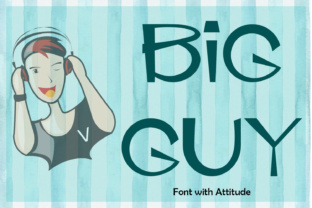
In the world of typography, the right font can make all the difference. It can set the tone, convey emotion, and even influence how a message is received. Among the many fonts available, Big Guy stands out as a unique and versatile option that blends style with functionality. This funky display font has a bouncy appeal that makes it ideal for a wide range of creative projects. Whether you're designing a logo, creating a poster, or working on a digital campaign, Big Guy offers a fresh and engaging look that can elevate your work.
One of the most striking features of Big Guy is its ability to balance a clean aesthetic with a casual, playful feel. Unlike some bold or decorative fonts that can feel overwhelming, Big Guy maintains a sense of readability while still making a strong visual statement. Its rounded edges and slightly exaggerated letterforms give it a friendly and approachable vibe, which can be especially useful in branding or marketing materials where personality is key.
The versatility of Big Guy is another reason why it's becoming increasingly popular among designers and developers. While it's primarily a display font, it can also be used in more subtle ways, such as for headings, titles, or even body text in certain contexts. Its flexibility allows it to adapt to different design styles without losing its distinct character. This makes it a valuable addition to any designer's toolkit, especially when looking for a font that can stand out without being distracting.
Applications of Big Guy in Creative Projects
Big Guy's unique style makes it particularly well-suited for a variety of applications. In the realm of graphic design, it can be used to create eye-catching headlines for advertisements, social media posts, or event flyers. Its bouncy appearance adds a sense of energy and movement, which can help draw attention and communicate a lively or fun message. For instance, a music festival poster might benefit from the font's dynamic look, reinforcing the excitement and entertainment value of the event.
Another area where Big Guy shines is in web design. As more websites prioritize visual storytelling and user engagement, the use of distinctive fonts has become a common strategy. Big Guy can be used for website headers, call-to-action buttons, or even background text in certain cases. When implemented thoughtfully, it can add a touch of creativity without compromising usability. However, it's important to consider the context and ensure that the font complements the overall design rather than clashing with other elements.
For print materials, Big Guy can be an excellent choice for logos, business cards, or promotional brochures. Its bold and expressive nature makes it ideal for conveying a brand's identity in a memorable way. A small business looking to establish a recognizable presence might find that using Big Guy in their branding helps differentiate them from competitors. Additionally, the font's clean lines and consistent spacing make it easy to read, even at smaller sizes, which is crucial for printed materials where space is often limited.
Advantages of Using Big Guy
One of the main advantages of Big Guy is its ability to add a sense of personality to any project. In a digital landscape where many fonts are highly standardized, using a unique typeface like Big Guy can help a design stand out. This is especially important for businesses or creators who want to build a strong visual identity and connect with their audience on a more emotional level.
Another benefit of Big Guy is its ease of use. Despite its distinctive appearance, the font is relatively straightforward to implement in design software and web platforms. Most modern design tools support custom fonts, and Big Guy is no exception. Whether you're working in Adobe Illustrator, Photoshop, or a content management system like WordPress, integrating this font into your workflow should be a simple process. This accessibility makes it a practical choice for both seasoned professionals and beginners alike.
Additionally, Big Guy's compatibility with different design styles ensures that it can be used across a wide range of industries. From tech startups to fashion brands, the font's adaptable nature allows it to fit into various visual aesthetics. This makes it a valuable asset for designers who need to create cohesive and visually appealing projects without limiting themselves to a narrow set of typographic options.
Considerations When Using Big Guy
While Big Guy is a powerful tool for adding visual interest to designs, there are some considerations to keep in mind. One of the most important factors is the context in which the font is used. In formal or professional settings, a more traditional typeface might be more appropriate. Big Guy's casual and playful style may not align with the tone of certain projects, such as legal documents, academic papers, or corporate reports. Therefore, it's essential to evaluate whether the font fits the intended purpose and audience.
Another consideration is the readability of Big Guy at different sizes. While it performs well in larger formats like headlines or banners, it may not be the best choice for long blocks of text. The font's stylized letterforms can become less legible when used in body copy, especially if the design doesn't provide sufficient contrast or spacing. Designers should test the font in various sizes and layouts to ensure that it remains clear and easy to read.
Finally, it's worth noting that the effectiveness of Big Guy depends on how it's paired with other design elements. A well-balanced composition can enhance the font's strengths, while poor pairing can detract from its impact. For example, combining Big Guy with a minimalist sans-serif font can create a nice contrast, but using it alongside another bold or decorative typeface may result in a cluttered and confusing design. Careful selection and thoughtful placement are key to maximizing the font's potential.
Overall, Big Guy is a compelling choice for anyone looking to add a touch of creativity and personality to their work. Its combination of style, readability, and versatility makes it a valuable asset in both digital and print design. By understanding its characteristics and considering the right applications, designers can effectively leverage Big Guy to create visually engaging and impactful projects.